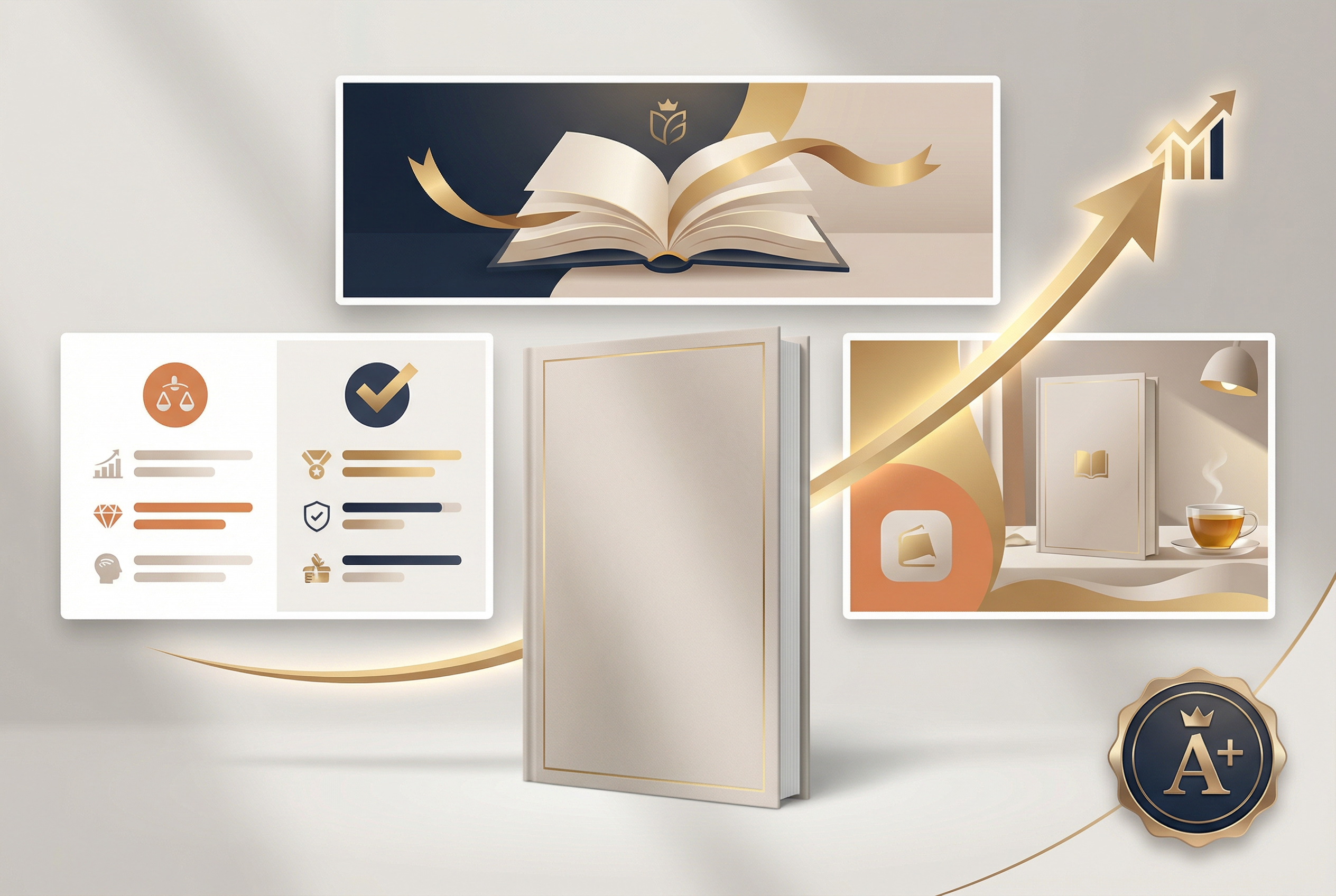
A+ Content Strategies for Self-Published Authors on Amazon
What is Amazon A+ Content?
Amazon A+ Content allows authors and publishers to add rich visual elements to their book's product detail page. Instead of just a plain text description, you can include high-quality images, custom text layouts, comparison charts, and brand stories.
For self-published authors, A+ Content is a game-changer. It provides an opportunity to showcase the quality of your book, highlight editorial reviews, and create a highly professional storefront that rivals traditional publishing houses.

Why A+ Content Matters
- Increased Conversion Rates: Amazon states that adding A+ Content can increase sales by 3% to 10%. By providing a more engaging visual experience, you keep potential readers on your page longer and give them more reasons to click "Buy Now."
- Professionalism: A well-designed A+ section signals to the reader that you take your writing seriously. It builds trust.
- Showcasing the Interior: For non-fiction, children's books, or heavily illustrated books, A+ Content is the perfect place to show off interior spreads.
- Cross-Selling: You can use comparison modules to link to other books in your series, encouraging readers to buy the whole set.

Key Strategies for Effective A+ Content
1. The "Hook" Banner
Start your A+ Content with a wide, visually striking banner. This should feature your book cover (perhaps in a realistic 3D mockup), a powerful tagline, and background imagery that sets the mood of the story. This is your second chance to make a first impression if the cover didn't immediately sell them.
2. Highlight Editorial Reviews
Readers trust social proof. Create a module that features 2-3 strong quotes from editorial reviewers, famous authors, or even highly-rated reader reviews. Pair these quotes with clean typography and subtle background elements.
3. Introduce the Characters or World
For fiction authors, use A+ Content to dive deeper into the lore. Create character cards with illustrations and brief bios, or showcase a map of your fantasy world. This immerses the reader in your universe before they even buy the book.
4. The "From the Author" Section
Connect with your readers on a personal level. Include a professional author photo and a short letter explaining why you wrote the book. This builds a parasocial relationship and encourages brand loyalty.
5. Series Comparison Charts
If you write in a series, the standard comparison chart module is incredibly effective. List all the books in your series, include their covers, and provide direct links to their product pages. This is a fantastic way to increase read-through rates.

Design Best Practices
- Consistency is Key: Your A+ Content should visually match your book cover and overall author brand. Use the same fonts, color palettes, and stylistic elements.
- Mobile Optimization: Over half of Amazon shoppers browse on their phones. Ensure your text is large enough to read on mobile devices and that your images aren't too cluttered.
- Keep Text Minimal: A+ Content is a visual medium. Don't paste your entire synopsis into an image. Use short, punchy sentences and let the graphics do the heavy lifting.
How Billy Design Studio Can Help
Designing effective A+ Content requires graphic design skills that go beyond basic formatting. It requires an understanding of marketing psychology and visual hierarchy.

At Billy Design Studio, I offer custom A+ Content design as a complementary service to my book cover packages. I create seamless, branded modules that elevate your Amazon product page and drive conversions. Reach out to me to upgrade your Amazon presence today.
Ready to elevate your book?
Apply these strategies to your next release with professional design services from me.
Work With MeRelated Articles

Amazon KDP vs IngramSpark: The Ultimate Guide for Self-Publishers in 2026
Discover the pros, cons, and best strategies for distributing your self-published book across Amazon KDP and IngramSpark to maximize your royalties and reach.
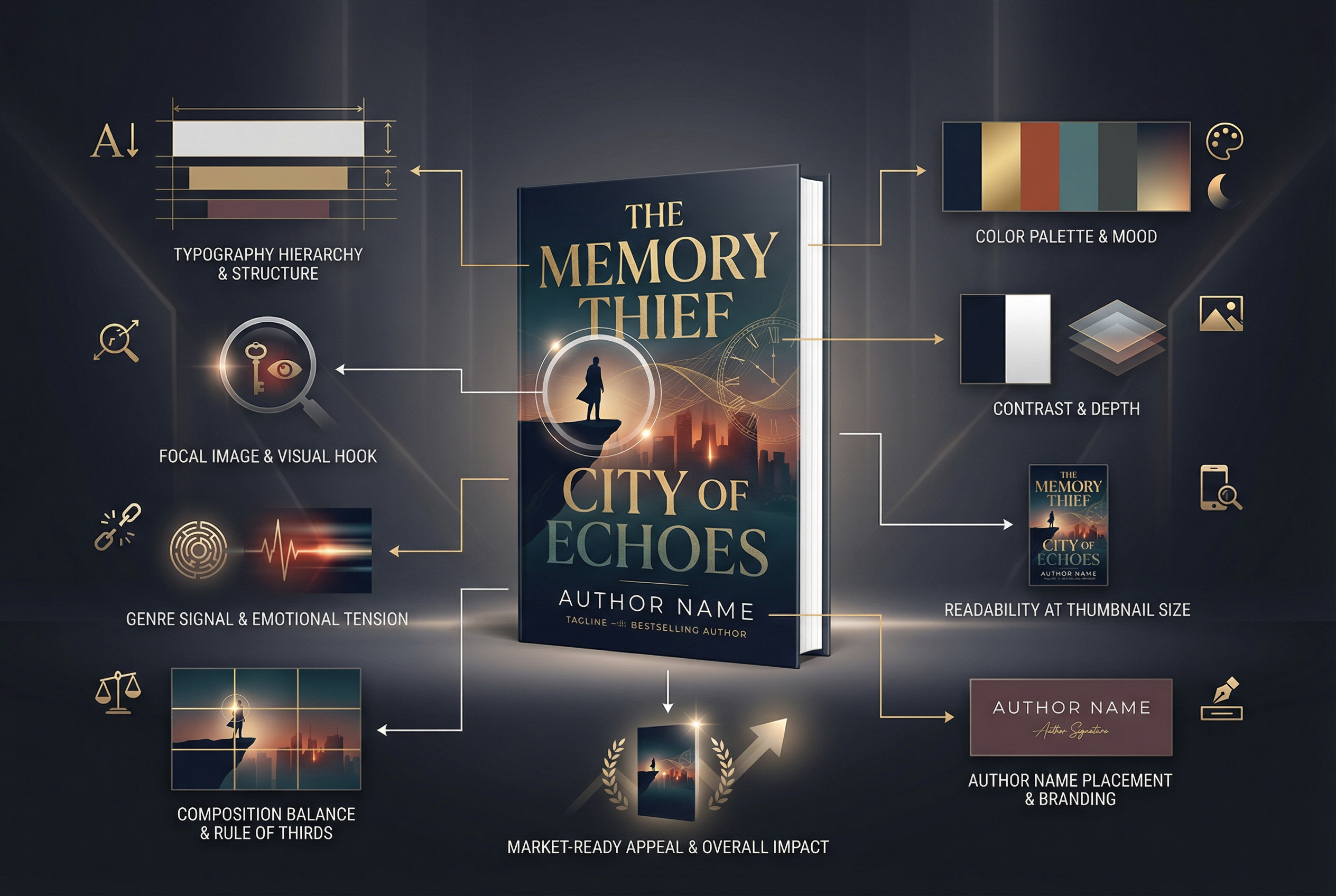
The Anatomy of a Bestselling Fiction Book Cover
Learn the psychological and visual elements that make a fiction book cover irresistible to readers, from typography hierarchy to color theory.