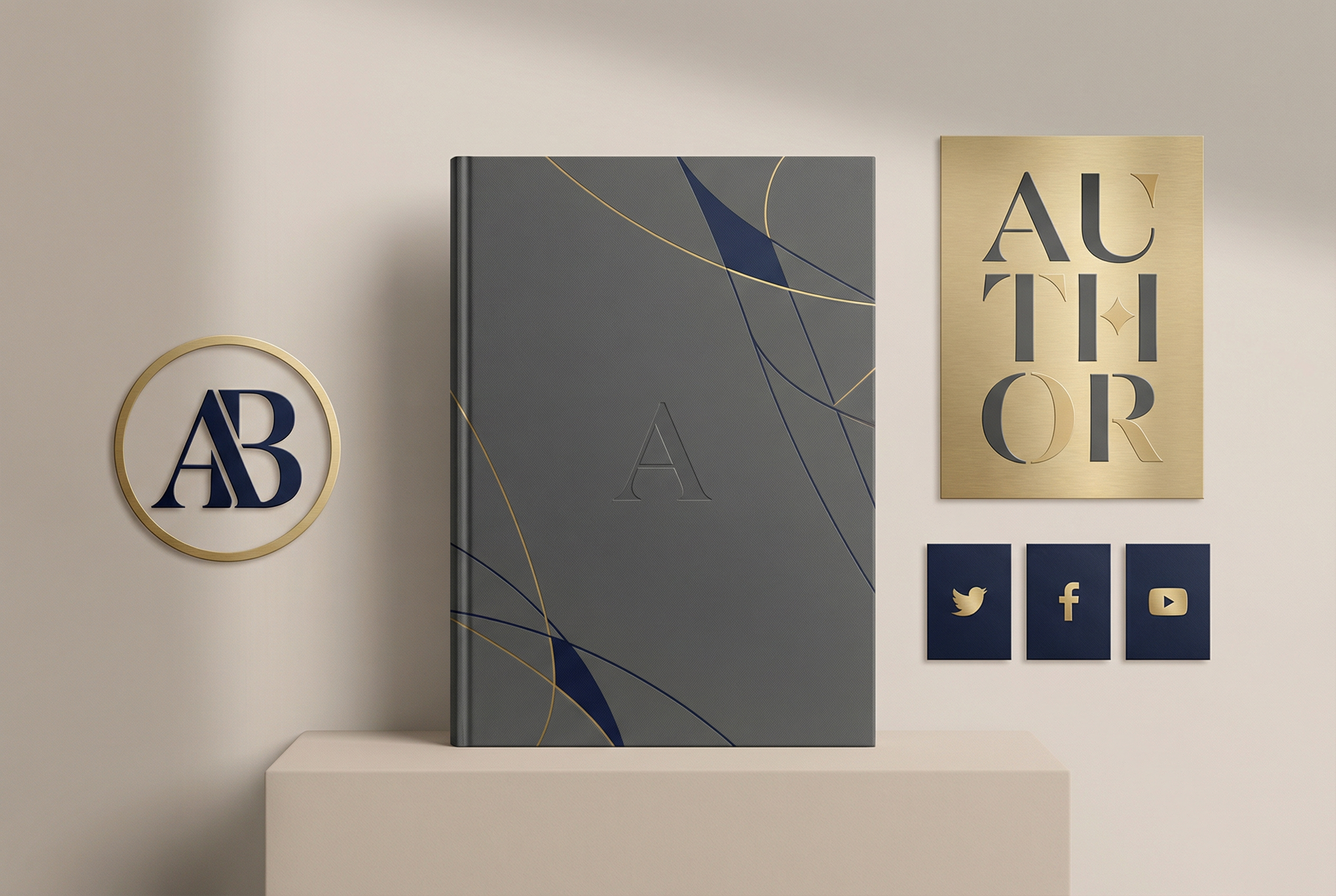
Building an Author Brand: Beyond the Book Cover
The Importance of Author Branding
In the highly competitive world of self-publishing, having a great book is no longer enough. To build a sustainable career, you need to build an audience. And to build an audience, you need a recognizable, professional Author Brand.
Your brand is the promise you make to your readers. It tells them what to expect from your books, your communication, and your overall aesthetic. While a stunning book cover is the cornerstone of this brand, it is only the first piece of the puzzle.

Elements of a Strong Author Brand
1. The Author Logo
Many authors overlook the importance of a personal logo. An author logo acts as a stamp of quality. It can be used on your website, your newsletter headers, your social media profiles, and even on the spine or title page of your books.
A good author logo should be:
- Scalable: It must look good on a giant banner and as a tiny Instagram profile picture.
- Appropriate: A horror author's logo should look vastly different from a sweet romance author's logo.
- Timeless: Avoid trendy design fads that will look dated in two years.

2. Consistent Typography
Typography is the voice of your brand. Select 2-3 fonts that you use consistently across all your marketing materials.
- A Display Font for your name and major headings (often the same font used for your name on your book covers).
- A Body Font for your website text, newsletters, and social media graphics. This should be highly legible (like a clean sans-serif or a classic serif).
3. A Defined Color Palette
Choose a color palette that reflects your genre and personality. Use these colors consistently on your website, social media, and promotional materials. This creates a psychological link in the reader's mind; when they see those colors, they think of you.

4. Social Media Kits
Your social media presence needs to look as professional as your books. A social media kit includes branded templates for:
- Instagram posts and stories (e.g., quote graphics, new release announcements, cover reveals).
- Facebook and Twitter header banners.
- TikTok/Reels cover images.
Having pre-designed templates ensures that your feed looks cohesive and saves you hours of time when creating content.
5. Promotional Materials (Posters, Flyers, Swag)
If you attend book signings, conventions, or local author events, physical marketing materials are essential.
- Bookmarks: The classic author swag. Design them to match your latest release, but include your website and newsletter link.
- Posters and Banners: For your signing table. These need to be high-resolution and eye-catching from a distance.
- Business Cards: A professional card with your author logo, website, and contact info.
The "Halo Effect" of Good Branding
When a reader encounters a highly professional author brand, a psychological phenomenon called the "Halo Effect" occurs. Because your website, logo, and social media look premium and polished, the reader subconsciously assumes that your writing is also premium and polished.
Good branding reduces the perceived risk for a new reader. It signals that you are a professional who invests in their craft, making them much more likely to take a chance on your book.
Partner with a Professional Studio
Building a cohesive brand from scratch can be overwhelming for authors who want to focus on writing. That's where Billy Design Studio comes in.

I offer comprehensive Indie Author Branding packages. From designing your custom author logo to establishing your typography guidelines and creating your social media kits, I ensure that every touchpoint of your brand screams quality. Let's build your legacy together.
Ready to elevate your book?
Apply these strategies to your next release with professional design services from me.
Work With MeRelated Articles

Amazon KDP vs IngramSpark: The Ultimate Guide for Self-Publishers in 2026
Discover the pros, cons, and best strategies for distributing your self-published book across Amazon KDP and IngramSpark to maximize your royalties and reach.
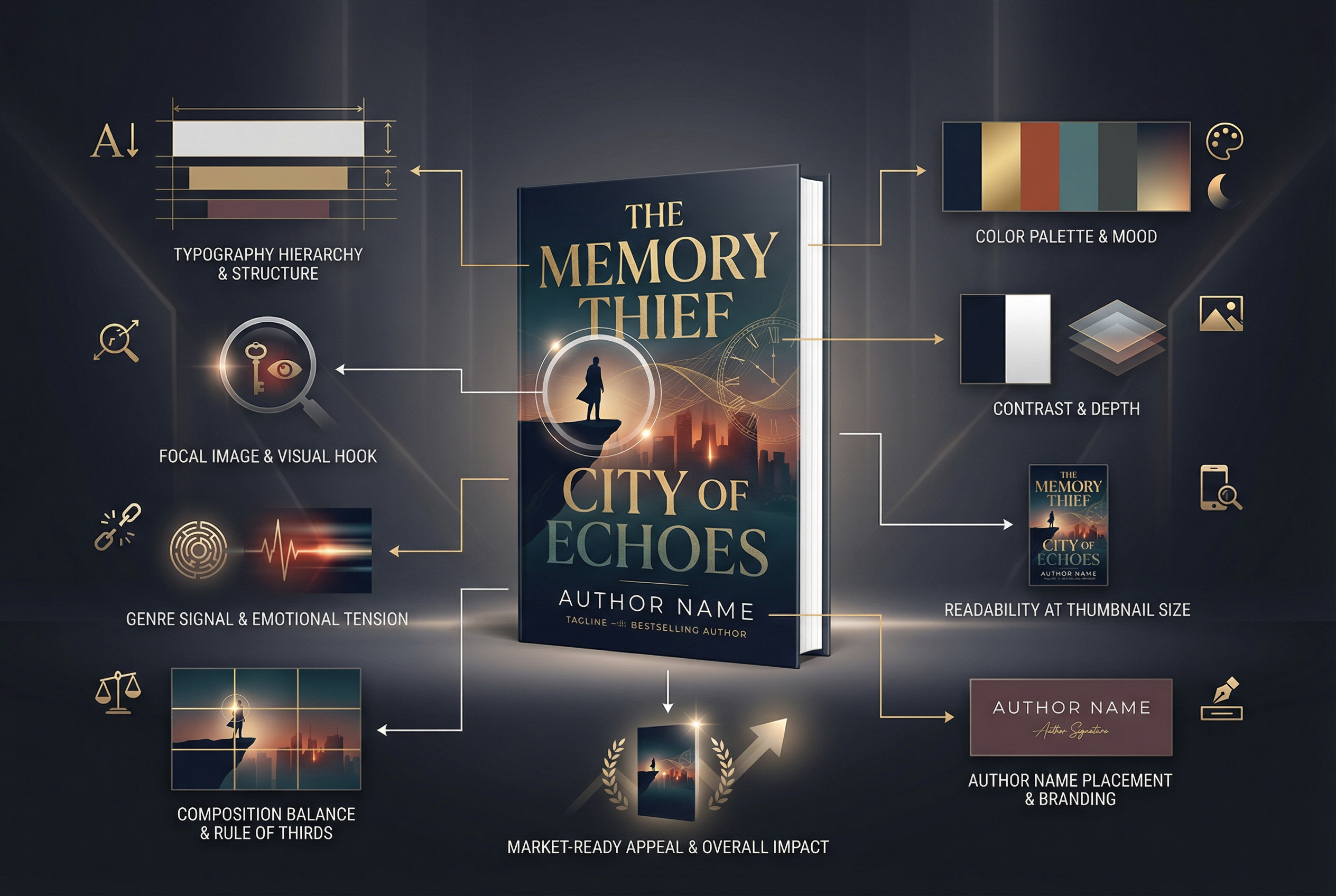
The Anatomy of a Bestselling Fiction Book Cover
Learn the psychological and visual elements that make a fiction book cover irresistible to readers, from typography hierarchy to color theory.